
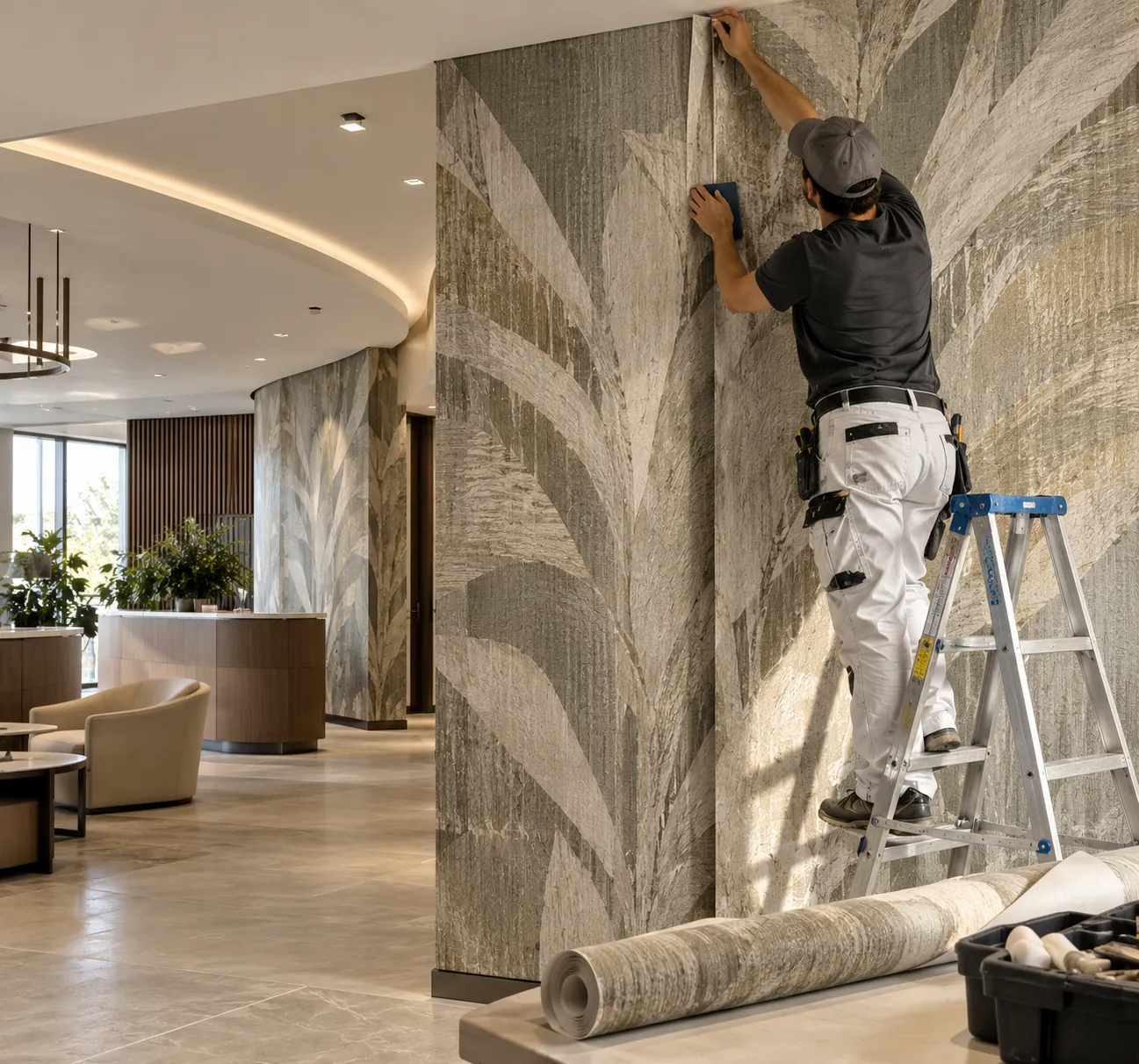
Businesses cannot close for a week to change their walls. Work in occupied spaces is planned around your operations, and lobbies, corridors and guest rooms are kept tidy and usable while the work is done.
Commercial spaces we work in
- Offices: reception walls, conference rooms, branded feature walls and corridors.
- Hospitality: hotel guest rooms, headboard walls, corridors and lobbies — including properties near the airport and along the I-5 corridor.
- Restaurants and cafes: feature walls and dining rooms, scheduled outside service hours.
- Retail and showrooms: printed murals, ceiling and display walls.
- Multifamily and senior living: amenity rooms, corridors and elevator lobbies.
- Healthcare and education: durable vinyl in waiting areas and hallways.
Materials
Commercial projects usually specify vinyl wallcoverings rated by weight and durability. Type I is lighter and common in offices and guest rooms; Type II is heavier and made for corridors and high-traffic areas. We also install acoustic and textile wallcoverings, digitally printed murals and dry-erase surfaces. We follow the spec and the manufacturer's adhesive requirements, which matters for warranty coverage.
How commercial jobs run
- Walkthrough and takeoff. We measure on site or from drawings and confirm quantities, seams and substrate.
- Schedule around operations. Phased work by floor, room block or after hours, with a clear daily plan.
- Substrate prep. Patching, sanding and primer as specified; we flag moisture or substrate issues before installing.
- Installation and punch list. Double-cut seams on wide goods, clean terminations at trim and fixtures, and a walkthrough with your manager or GC.
Working with contractors and designers
We regularly hang materials specified by interior designers and work under general contractors and property managers. Send drawings, finish schedules or product specs to wallpaperinstallationexperts@gmail.com and we will reply with questions or an estimate.
What is included
- On-site measure or takeoff from drawings
- Work after hours and on weekends
- Type I, Type II, acoustic and printed goods
- Substrate prep to spec
- Double-cut seams on wide goods
- Daily clean-up in occupied spaces
- Punch-list walkthrough
Planning commercial wallpaper installation in Seattle and the Eastside
Commercial wallpaper installation is less about a single wall and more about coordination: quantities, access, phasing, other trades and the people who keep using the space while it changes. This section explains how we look at a commercial scope before giving a written estimate, what information makes that review accurate, and where projects usually run into trouble. It is written for property managers, facility teams, interior designers and general contractors, as well as owners of smaller shops, studios and offices.
What shapes the scope of a commercial wallcovering job
Two projects with the same square footage can need very different labor. The factors below are the ones we review first when a set of drawings or photos comes in.
| Factor | What we look at | Why it matters |
|---|---|---|
| Material format | Roll width, weight, backing (paper, fabric, nonwoven) | Wide goods need double-cut seams and more hands; heavy goods need adhesive matched to the weight. |
| Substrate | New drywall, painted walls, old wallcovering, block or panel | Determines whether removal, patching, skim coating or a specific primer comes first. |
| Wall height and access | Ceiling height, stairwells, atriums, furniture and fixtures | Tall walls need ladders, planks or lifts and more time per strip. |
| Occupancy | Open business, tenants in place, guests or patients nearby | Sets work hours, staging space, noise limits and daily clean-up. |
| Interruptions in the wall | Doors, windows, signage, handrails, corner guards, outlets | Every cut-out adds time and affects seam placement. |
| Pattern and match | Random match, straight or drop match, digitally printed panels | Affects waste, ordering quantities and layout planning. |
Information to send for a commercial estimate
The more complete the package, the fewer assumptions go into the number. For most commercial projects, please send:
- Floor plans or elevations with the wallcovering areas marked, or a list of rooms and walls with dimensions.
- The finish schedule or product data sheet: manufacturer, pattern, color, roll width and length, pattern repeat and the adhesive the maker specifies.
- Photos of existing conditions, including any old wallcovering, damaged drywall, corner guards and trim.
- Site rules: working hours, elevator or loading dock access, parking, where materials can be staged and who the on-site contact is.
- The target schedule and whether the work must be phased by floor, unit block or room.
If the material has not been ordered yet, our wallpaper calculator gives a starting point, and the guide on dye lots and ordering explains why a single production run matters on long corridors where many strips sit side by side.
Working in occupied buildings
Offices, restaurants, apartment buildings and senior living communities usually stay open during the work. We agree in advance on which areas are closed each day, where tools and materials are kept, and how floors and furniture are protected. In multifamily buildings and condominiums, the building management or HOA often sets rules for elevator use, protected paths and quiet hours; we plan the sequence around those rules rather than around our own convenience. Tenant communication, such as door notices, is usually handled by the property manager, and we provide the room-by-room plan that goes into it.
For hospitality work, rooms are typically released to us in blocks. Each block is prepped, hung and walked before it goes back into service, so housekeeping and front desk staff know exactly which rooms are available.
Preparation that commercial walls usually need
Commercial walls take more abuse than residential ones, and previous wallcovering is common. Removing old vinyl and washing the adhesive residue is often the first step; our wallpaper removal page describes that process. After removal, dents from carts and chairs, anchor holes from old signage and torn drywall paper are repaired, and the surface is primed with a product compatible with the new material. When the drywall is in poor condition, a skim coat may be needed, which is covered in more detail on our wall preparation page.
Tip for general contractors: wallcovering usually goes up after paint and before final trim, signage and fixture installation. Telling us the sequence early avoids cutting around items that could have been mounted after the walls were finished.
Common problems and how they are avoided
- Short material. Ordering to net square footage without allowing for the match, waste and future repairs leads to a second order from a different run. We check quantities against the layout before installation starts.
- Wrong adhesive. Heavy vinyl, textiles and printed goods each have their own requirements. We confirm the adhesive from the product data rather than using a default.
- Moisture in new construction. Fresh drywall compound and painted surfaces need to be dry. We check the walls and raise any concern before hanging.
- Seams at high-traffic points. On corridors and lobbies, seams are planned away from outside corners and door edges where carts and hands hit the wall.
- Unlabeled leftovers. Facility teams need spare material for repairs. Leftover rolls are labeled with the room or area and the run number.
Specialty commercial applications
Many commercial interiors combine materials. A reception area may have a natural fiber feature wall, which is handled as described on our grasscloth wallpaper installation page. Retail spaces and offices often add large printed graphics, which follow the panel-by-panel approach used for wall mural installation. Lobbies with soffits or coffered areas may include ceiling work as well. Combining these in one estimate keeps the sequencing in one place.
Where we take commercial projects
We provide commercial wallpaper installation throughout Seattle and nearby cities, including office and retail areas in Bellevue and Redmond, as well as Kirkland, Bothell, Shoreline, Sammamish, Issaquah and Renton. Parking, loading and building access differ a lot between a downtown high-rise and a suburban office park, so please include those details with your request.
Next step
Send your drawings, product specifications, photos of the existing walls and your schedule requirements through the contact page, or call or text (206) 380-4118 any day between 7 am and 10 pm. We review the commercial wallcovering scope, ask any questions we have and send a written estimate.
Recent projects

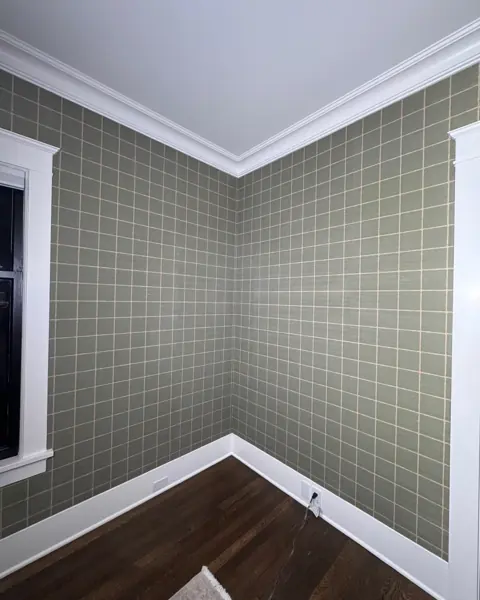
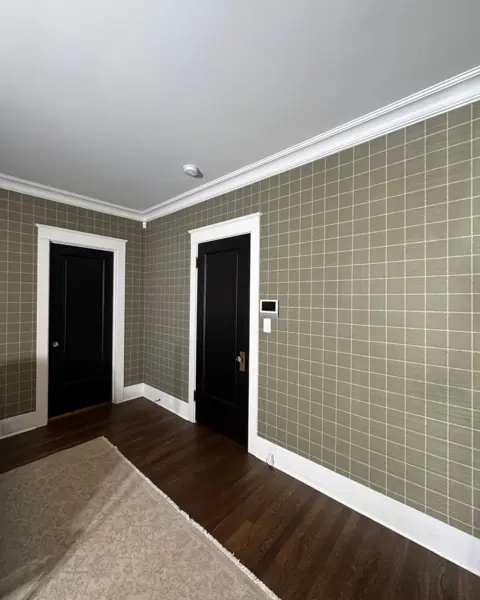
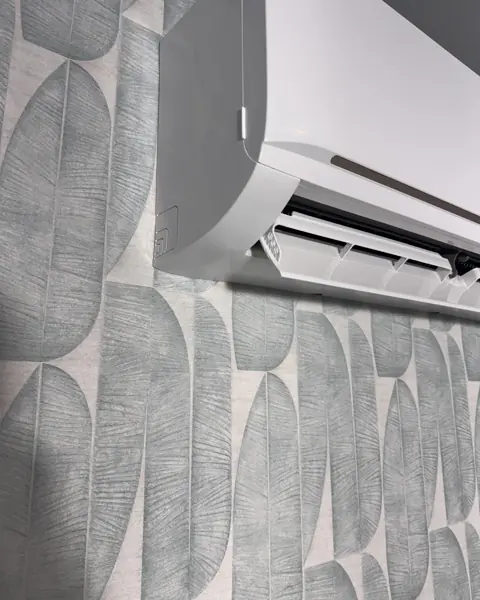
Questions about commercial wallpaper & wallcovering
Can the work be scheduled around business hours?
Scheduling is reviewed as part of the project scope. Tell us your operating hours and site requirements, and we will discuss phasing and timing.
Can you work from drawings and specs?
Yes. Send drawings, finish schedules and product data sheets and we will prepare quantities and an estimate.
What is the difference between Type I and Type II wallcovering?
Type I is a lighter commercial vinyl used in lower-traffic areas such as offices and guest rooms. Type II is heavier and more durable, used in corridors, lobbies and other high-traffic spaces.
Do you remove old commercial wallcovering?
Yes. Commercial vinyl often comes off in layers; we remove it, wash the adhesive and repair the substrate before new material goes up.
Do you need the actual wallcovering on site before giving an estimate?
No. A product data sheet or specification is enough to estimate. We do ask that the material be delivered and checked for correct run numbers and quantity before installation day.
Can a large project be split into several phases?
Yes. Projects can be phased by floor, unit block or room group. Tell us how the building needs to operate and we plan the sequence around it.
Who should be our contact during the work?
We work best with one on-site contact, such as the property manager, store manager or superintendent, who can approve access and answer questions about the space each day.
Helpful guides
Local pages
- Commercial Wallpaper & Wallcovering Installation in Redmond, WA
- Commercial Wallpaper & Wallcovering Installation in Bellevue, WA
Where we offer commercial wallpaper & wallcovering
Seattle and surrounding cities: